Det finns flera anledningar till att använda tygblöjor:* **Miljömässigt:** Tygblöjor är ett mer hållbart alternativ eftersom de kan återanvändas många gånger, vilket minskar mängden avfall som går till soptippen jämfört med engångsblöjor.
* **Kostnadseffektivt:** Även om den initiala investeringen kan vara högre än för engångsblöjor, kan tygblöjor spara pengar på sikt, särskilt om du har fler barn eller planerar att sälja dem vidare.
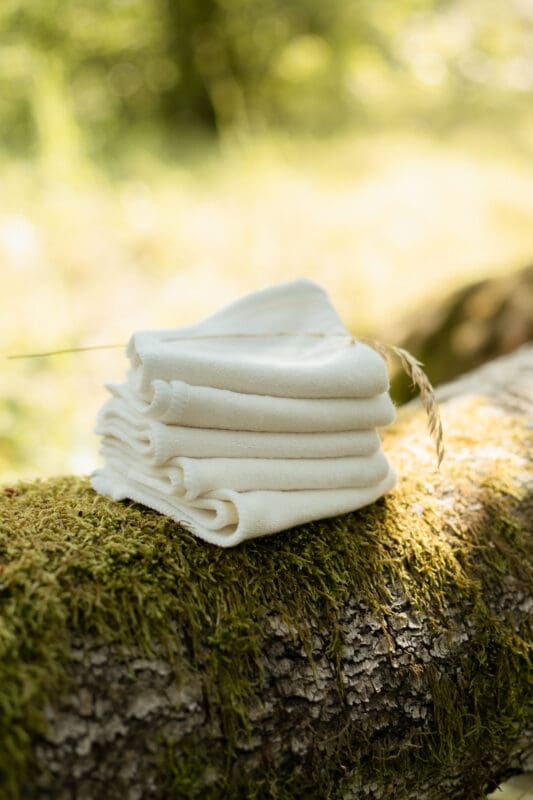
* **Mindre kemikalier:** Tygblöjor är ofta gjorda av naturliga material som bomull, bambu eller hampa, och innehåller färre kemikalier än engångsblöjor, vilket kan vara skonsammare mot barnets hud.
* **Minskad risk för blöjeksem:** Vissa barn kan vara känsligare för materialen och kemikalierna i engångsblöjor, och tygblöjor kan därför minska risken för blöjeksem.
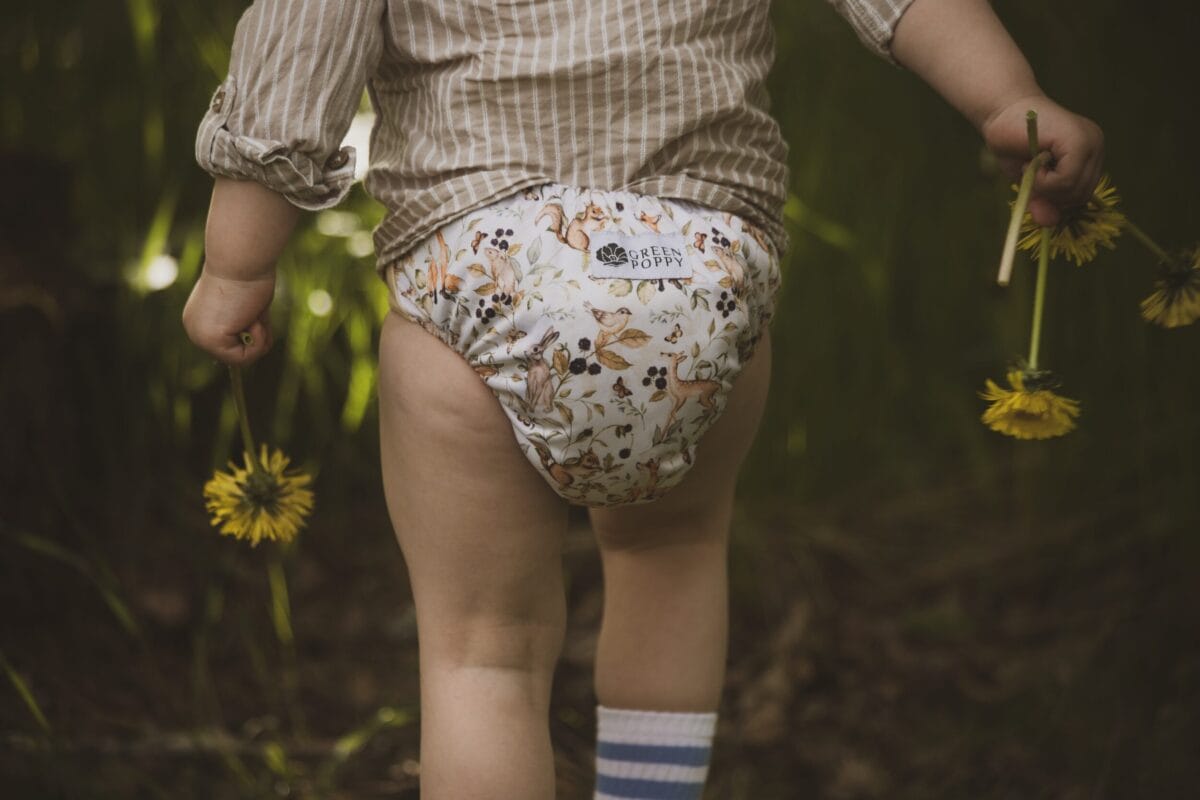
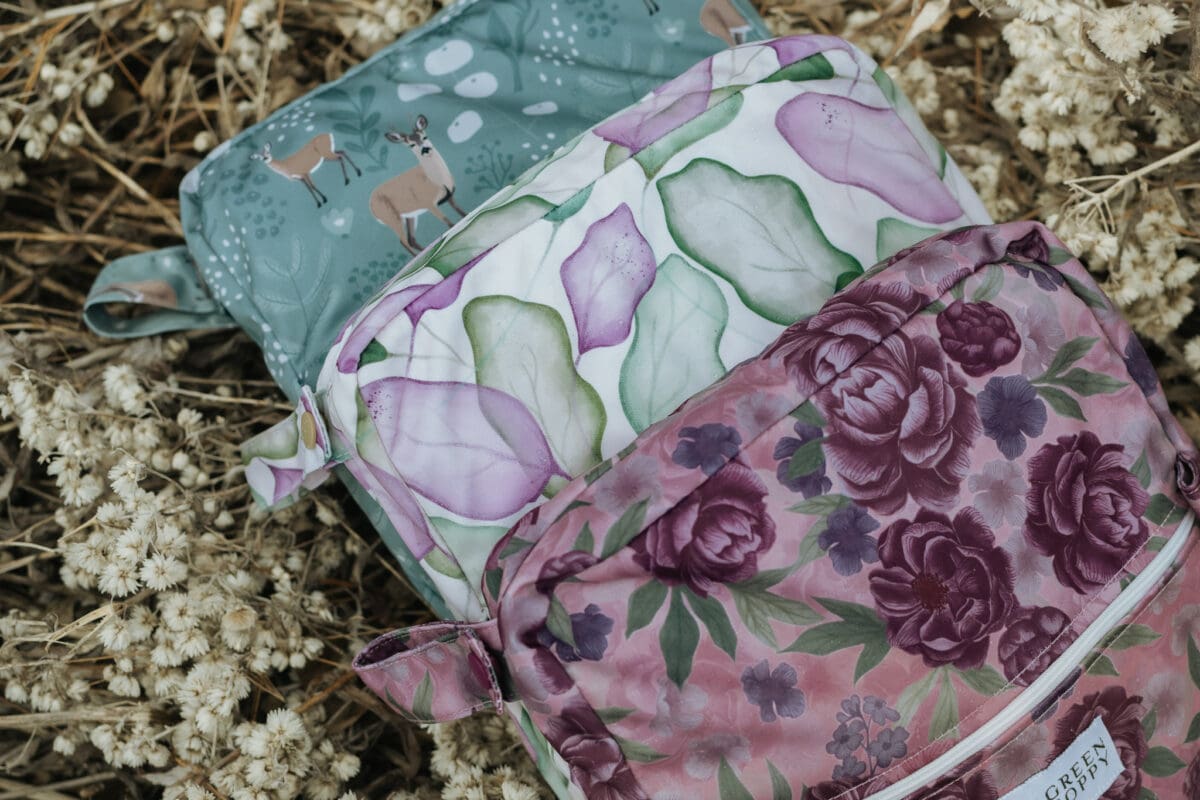
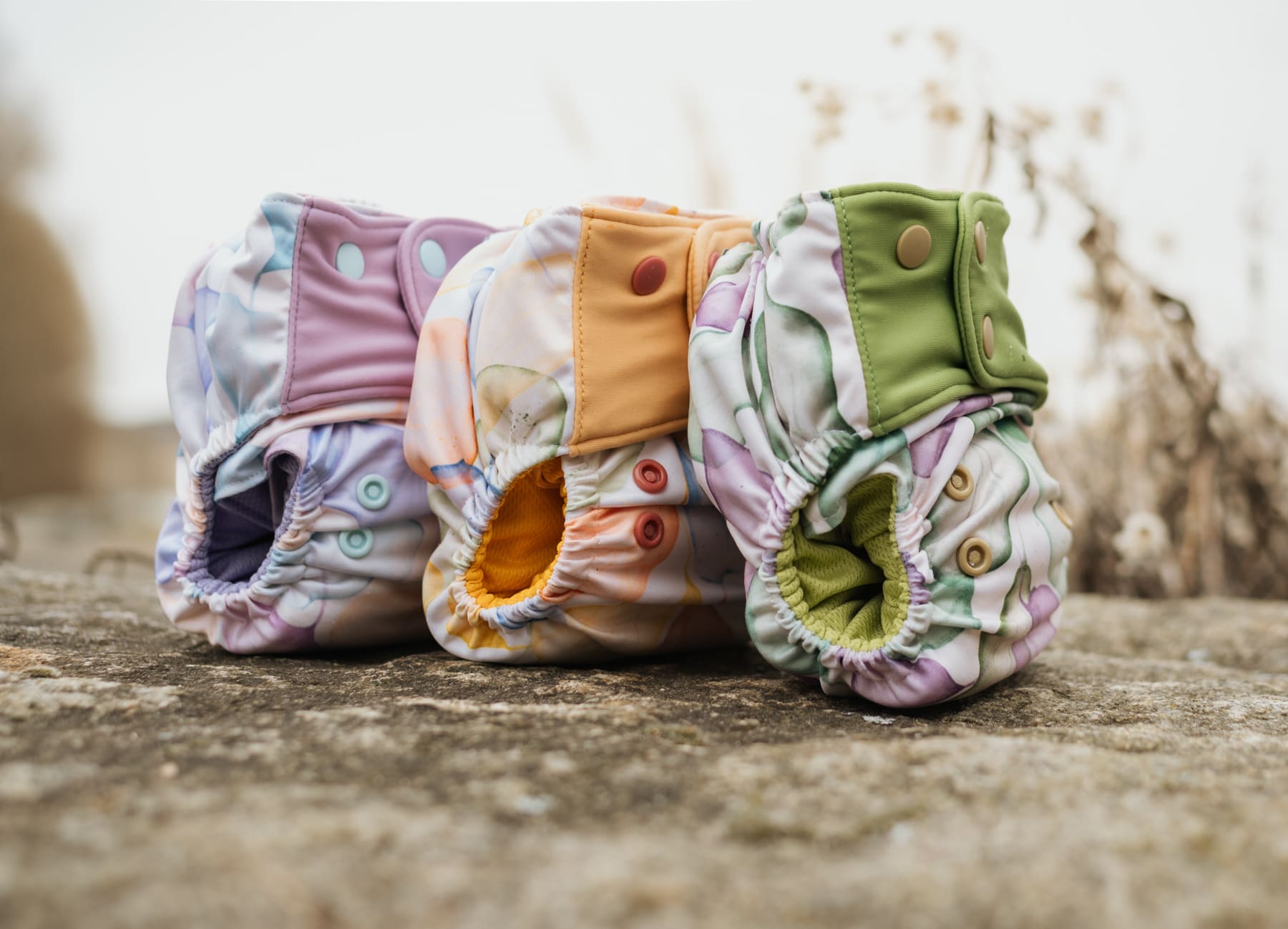
* **Sötare design:** Många moderna tygblöjor kommer i en mängd olika färger och mönster.
Environmental Aspect
We live in a world that needs help. Daily news reports speak of climate change and its consequences. A growing mountain of rubbish contributes to these problems. The use of plastic has increased dramatically over the past 70 years. Plastic and the plastics industry have a negative impact on the environment. Today's disposable nappies, which are available in shops, consist largely of plastic. The outer layer are made of polyethylene plastic. The nappies also contain cellulose and several types of superabsorbents which are also plastic-based. These components make the nappies effective. They can absorb large amounts of liquid and keep the baby dry.
Plastic components are manufactured from oil products and chemicals, which means that fossil carbon emissions occur during production. Therefore, the manufacture of disposable nappies is a major environmental polluter. Furthermore, nappies contribute to enormous rubbish heaps when they are discarded.
Manufacture and breakdown
Burning disposable nappies requires extensive processes. If a nappy is left in nature, it can take 450 years to decompose. Studies, however, show that cloth nappies have a lower environmental impact. Although their production affects the environment, this impact is less compared to disposable nappies. The biggest environmental impact from cloth nappies occurs during use, particularly during washing and drying (if tumble dryers are used).
The advantages of cloth nappies
Cloth nappies are made from natural materials and are often recyclable. They are part of a circular economy as they can be reused many times. Therefore, they are more environmentally friendly than disposable nappies. Modern washing machines are also energy-efficient. This means that cloth nappies are a better option for the environment, even if they require more washing.
Usage in Sweden
A child in Sweden uses approximately 8,000 disposable nappies during their nappy-wearing period. Each year, around 400 million nappies are consumed in the country. Disposable nappies are so effective that children today use them for longer than they did 50 years ago. Parents who choose cloth nappies often report that their children become nappy-free earlier. Even if a child using cloth nappies were to wear them for as long as one using disposables, the environmental impact from cloth nappies would still be less.
Materials in Cloth Diapers
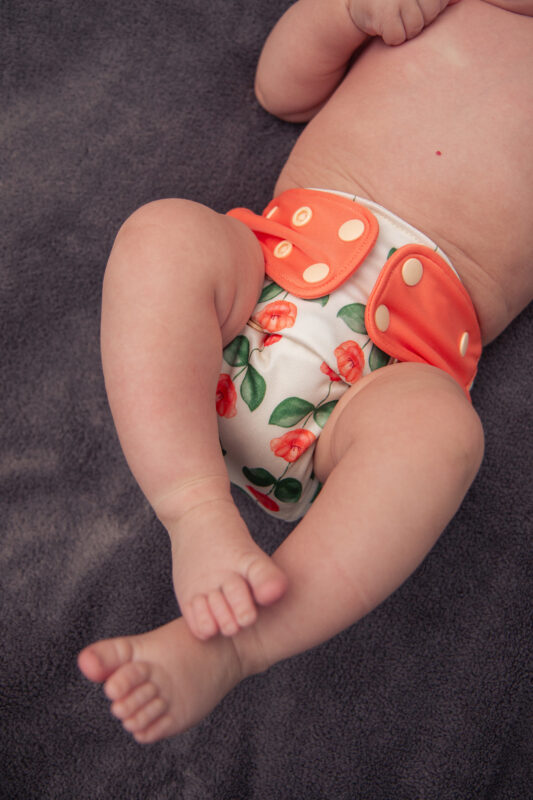
Cloth nappies work like disposable nappies but are washed instead of being thrown away. They are made from materials such as cotton, bamboo, hemp, linen and wool. The outer shell, which makes the nappy waterproof, is usually made of PUL.Polyurethane-laminated polyesterAlthough PUL is partly made of plastic, it has a smaller environmental impact as the nappies are reused many times.
Economic aspects
Cloth nappies are a cost-effective alternative. On average, a child uses nappies for 3.5 years. With an average price of 3.58 kronors per disposable nappy, the total cost comes to 28,783 kronors. At Green Poppy, you can buy cloth nappies to last the entire period for under 4,500 kronors, if you choose the simplest system. A more expensive system, such as pocket nappies, can cost from 7,700 kronors. High-quality cloth nappies can be used for several children or resold. Second-hand cloth nappies can often be sold for up to 80 % of the purchase price. You can read more here on saving money with cloth nappies.
Benefits for the Child's Skin
Many parents opt for eco-friendly alternatives for their children, such as silicone cutlery and wooden toys. Despite this, plastic nappies are often used directly against a child's skin. There are no studies that prove the plastic in nappies harms the child, but nappy rash is common. Disposable nappies left on for a long time can cause nappy rash as they do not allow the skin to breathe. Parents often report that nappy rash and rashes disappear when they switch to cloth nappies, which contain less plastic and are more breathable.