


Reducing your toddler family's waste with simple choices

Honestly, say something as beautiful as getting your first child! All the thoughts, all the feelings, and above all, all the love. One thing you might not think about when it comes to having children, which also increases, is rubbish and waste. Nappies, wet wipes, single-use items, and packaging mean that waste and household rubbish quickly increase.
The great thing is that small changes in everyday life can make a big difference for both the environment and the family's finances.
Disposable products account for a large proportion of waste
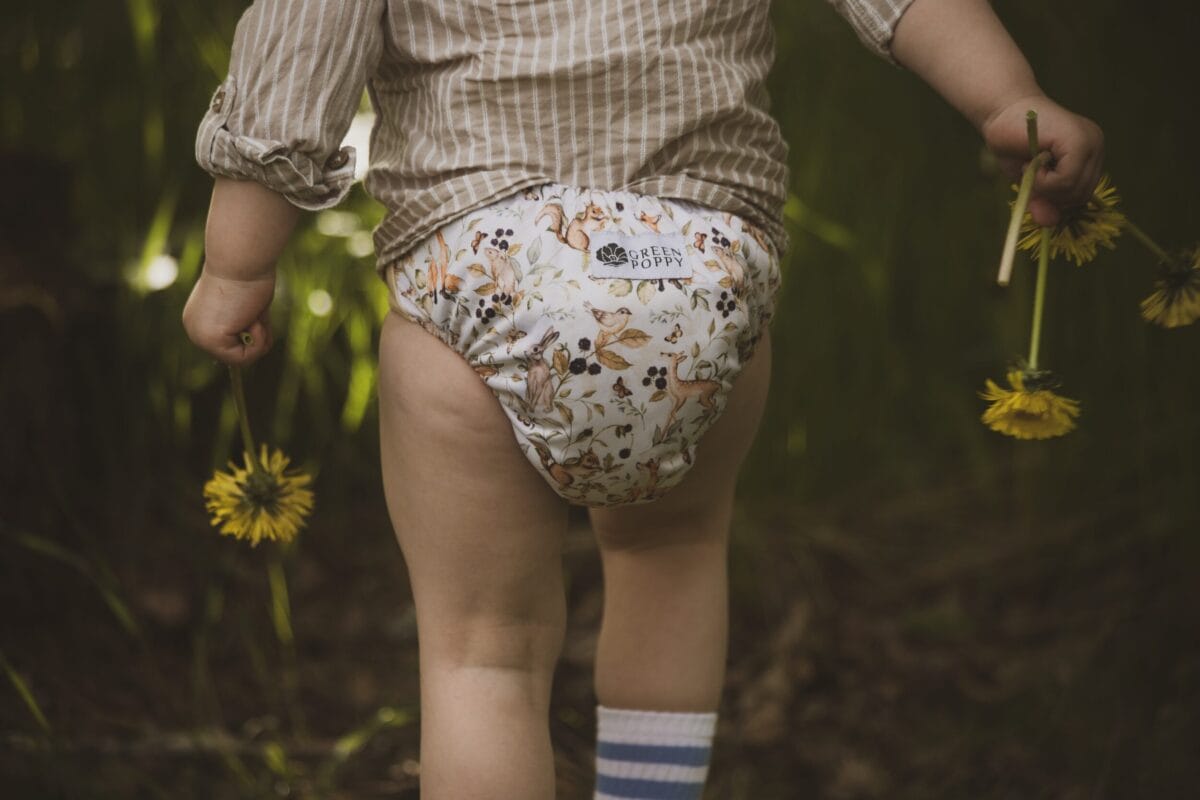
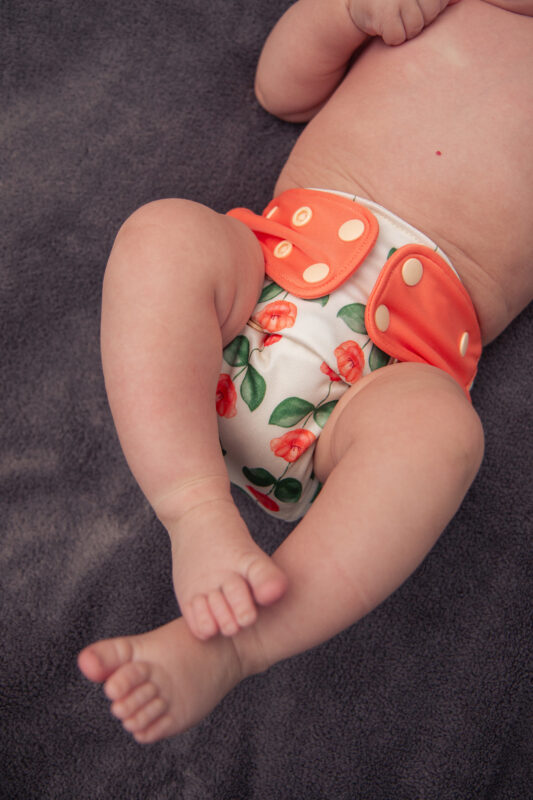
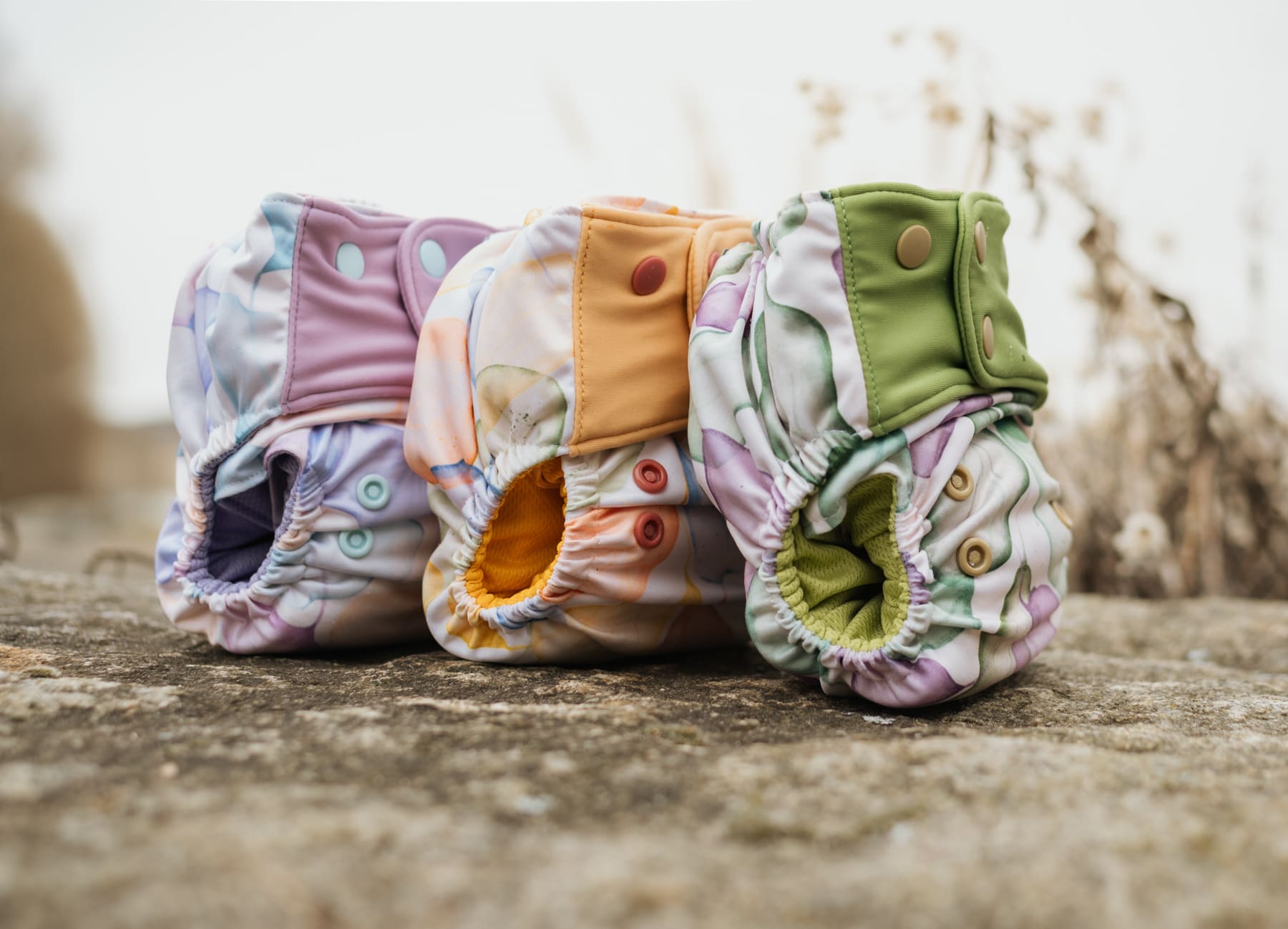
A baby uses several thousand disposable nappies on average before being potty trained. According to Green Poppy's own calculations, a child can get through up to 8,000 disposable nappies during their nappy-wearing period. This is one of the largest waste items in a family with young children. By choosing reusable alternatives, you can drastically reduce the amount of rubbish right from the start. And what reusable alternatives are there to disposable nappies? Well, what about cloth nappies? 😉
Choose reusable where possible
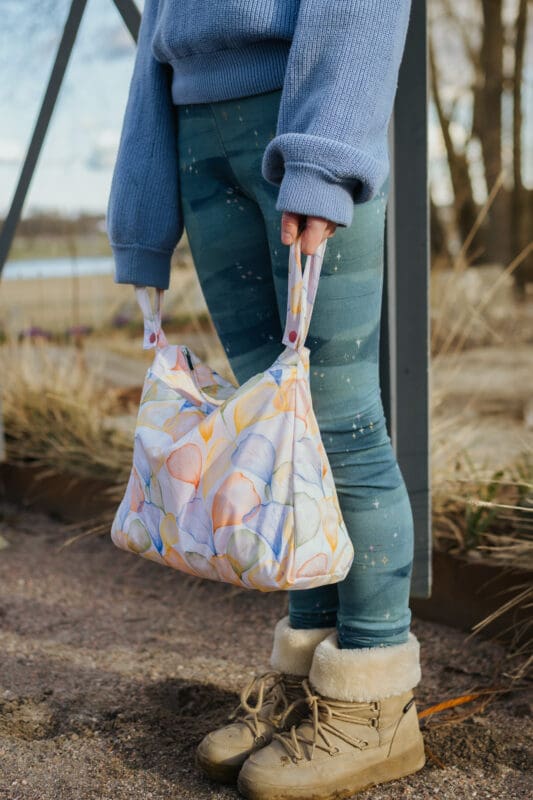
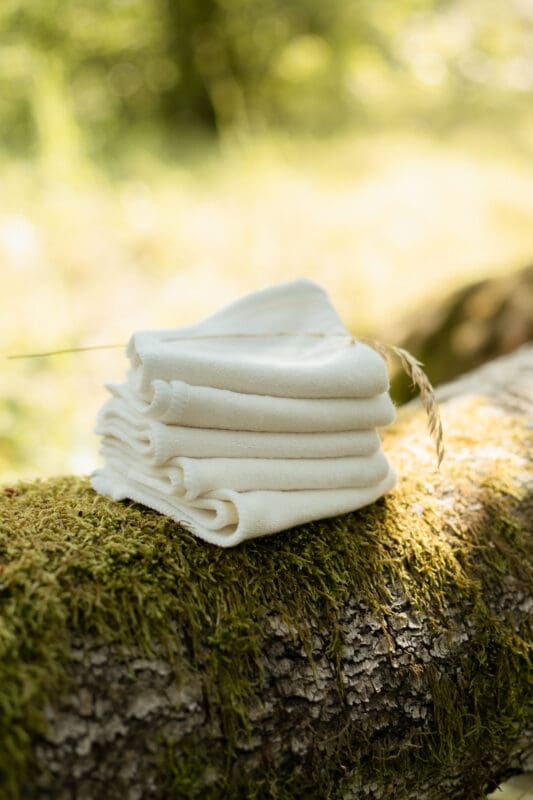
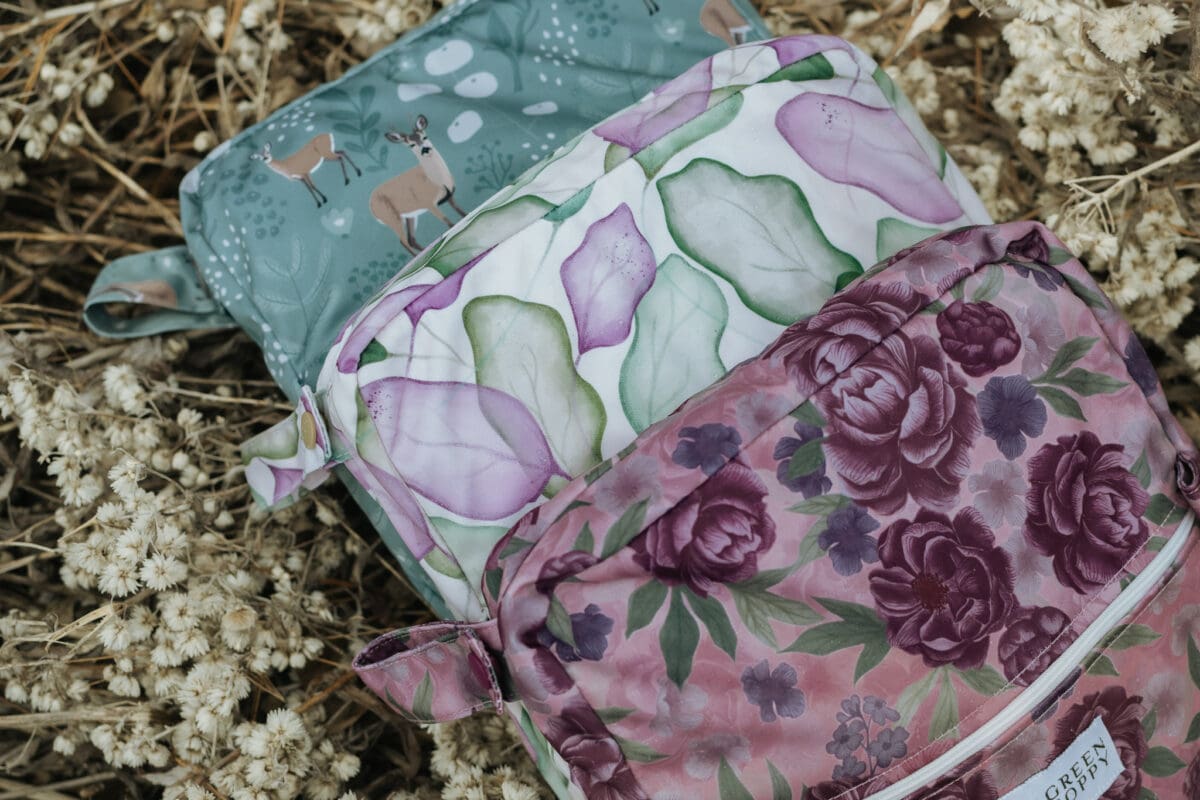
But it's not just cloth nappies that are available as reusable alternatives! Cloth nappies, washable wipes, fabric bibs and PUL bags are examples of products that can be used again and again. They require a little more planning but result in significantly less waste over time. And by significantly, I really mean significantly. There's practically no waste if you choose these products instead of disposable ones.
Nursing pads
One might sometimes think I've been living under a rock in the woods, but when I was expecting my first child, it was a shock to me that there are actually plastic nursing pads that are disposable! And this is with me having worked as a midwife by this point. For me, it was a given that I'd use fabric nursing pads. Soft, natural, and washable. A real super win.
I've used the exact same nursing pads for both my children. After I stopped breastfeeding my second child, I gave them to another mother who is now enjoying them. They weren't worn out at all.
Buy fewer, but better products
Sustainable parenting isn't about buying everything available, but about choosing well-thought-out, good-quality products. Things that last longer don't need replacing as often, which is less of a strain on both your wallet and the environment.
Wash smart and with care
With reusable products comes another chore, namely washing. Washing is already a natural part of life with small children. And even if it means one or two extra washes a week with cloth nappies, it doesn't have to become an environmental/economic burden. There are clever tricks for washing correctly. By washing full loads, using the right temperature and choosing a mild detergent without unnecessary additives, you can reduce both energy consumption and emissions.
Sustainability is about balance
Nobody does everything perfectly, and there's no need to. Reducing waste in a family with young children is about making better choices where possible. Every cloth nappy, every reusable bag, and every conscious choice counts.
Pregnant with my first child in 2020.
